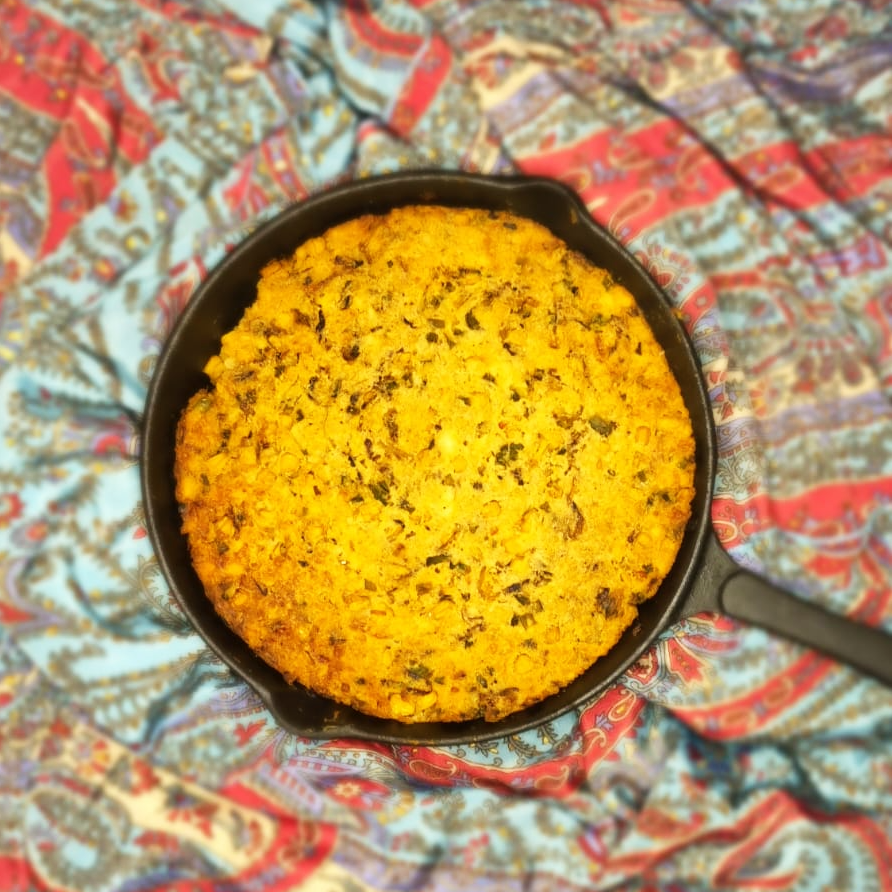


When you think of Norway, what’s the first thing that comes to mind? Majestic fjords, the Northern Lights, and delicious salmon, right? Norway is not just a country; it’s a land of enchantment, where nature’s wonders and quirky traditions coexist in harmonious peculiarity. Historically Norway is know for Vikings ofcourse. One of the most celebrated Norwegian Vikings is Leif Erikson, who is believed to have been the first European to set foot on North America, specifically in an area known as Vinland. His explorations and settlements in North America occurred around the year 1000, several centuries before Christopher Columbus’s famous voyage. Like other Vikings, the Norwegian Vikings practiced paganism before the spread of Christianity. The Norse pantheon, which included gods like Odin, Thor, and Freyja, was central to their religious beliefs. However, by the late 10th century, Norway was gradually converted to Christianity, primarily due to the efforts of King Olaf Tryggvason. Nowadays Norway is at the forefront of eco-friendliness and sustainability. The country has invested heavily in renewable energy sources, particularly hydropower, making it a global leader in green technology.

Things you didn’t know about Norway:
- Norwegian folklore is brimming with stories about trolls. These mythical creatures are believed to inhabit the deep forests, rugged mountains, and isolated corners of Norway. When you visit, don’t be surprised if you come across troll-themed souvenirs or even a troll trail in some of the country’s most remote areas. They might not be real, but they’re certainly an essential part of Norway’s quirky charm.
- The cheese slicer, a handy kitchen tool, was invented by a Norwegian named Thor Bjørklund in 1925. It’s a common household item in Norway and many other countries.
- Norway is home to the Lærdal Tunnel, the longest road tunnel in the world, measuring about 15.23 miles (24.51 kilometers). The tunnel connects Lærdal and Aurland and is an engineering marvel.
- While sushi is commonly associated with Japan, the concept of raw fish on rice is believed to have been introduced to Japan by a Norwegian businessman named Johan Joergen Harbitz in the 1980s. He brought the idea of combining raw salmon with rice back from Norway, and it eventually evolved into what we know as “salmon sushi.”
- The World’s Largest Gingerbread Town: In Bergen, you can find the world’s largest gingerbread town. Every year, volunteers create an enormous gingerbread city called “Pepperkakebyen.” It’s a popular attraction during the Christmas season.
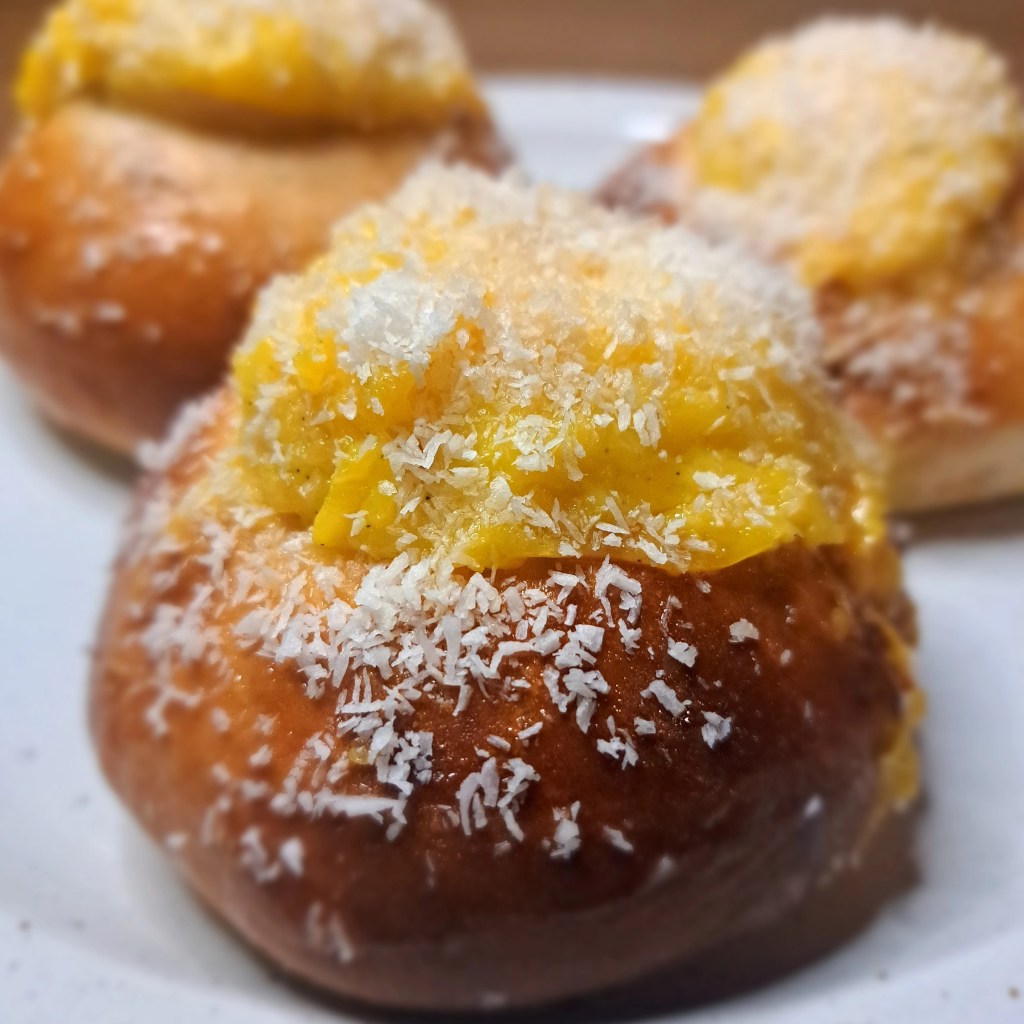
Skoleboller buns get their name because they used to get served a lot during schoollunch. So a very nostalgic dish for the Norwegians, and something everyone knows. The combination of the fragrant cardemom dough, the creamy filling and the tangy glaze and grates coconut makes for a very yummy treat! The recipe is for 6 buns. I know the recipe sounds like a lot of work, but it really is worth a try!
Ingredients:
Dough:
- 250 gr all purpose flour
- 5 gr instant yeast
- 20 gr sugar
- 135 ml luke
- warm milk
- 5 gr salt
- 1/2 egg
- 30 gr butter
- 1 tsp cardamon powder
Custard:
- 1 teaspoon of orangeblossom
- 1/4 stick of vanilla
- 125 ml milk
- 25 gr
- 1/2 egg yolk
- 11 gr maizena
Glaze:
- 65 gr Powdered sugar
- 1 tbsp Lemon juice
- 1/2 tsp Vanilla extract
- 1 tbsp Water
- 20 gr Grated Coconut
Recipe:
Dough:
- Knead the flour, yeast, sugar, lukewarm milk, salt and egg until you have smooth dough. At least 10 minutes in your electric mixer with the dough hook attachment.
- Add the butter and cardamon at the end of your kneading time. The dough should be soft and smooth, not too sticky nor too dry.
- Let the dough rise for 1 hour in warm dry place
- Divide the dough into equal parts, roll them into balls on floured surface.
- Let the dough balls rest for 10 minutes.
- Line your baking tray with baking paper and move your dough balls to your baking tray.
- Flatten them a little until the are about 1 1/2 – 2 cm thick.
- Let them rest for 20 minutes. (In the meanwhile make your custard)
- Take a glass with de width of 4 to 5 cm add some flour to the bottom of the glass and press the glass in the middle of your flattened doughball, to get an indention.
- Brush a little egg on your dough to make give them a beautiful color and shine when you get them out of the oven.
- Let your buns rise for 15 more minutes.
- Preheat your oven to 220C.
- Put 1 tablespoon of custard in your indentation. You can do this with a spoon or a pipingbag.
- Bake the buns for 10-15 minutes until golden brown, (Meanwhile make your glaze)
- Let them cool on a rack for a few minutes
Custard:
- Bring half of the milk to a boil, with your orangeblossom, scraped vanilla seeds and the 1/4 stick
- The rest of the milk you mix with sugar en eggyolk, when this mixture is well whipped. Whip in the maizena until you have a smooth paste.
- Take the vanilla stick out of the hot milk. Add half your hot milk to maizena mixture and stir. Add this mixture to your pan with the rest of milk. Put back on the fire and keep stiring so your custard won’t be lumpy.
- Cook through for 2 minutes.
Glaze:
- Mix powdered sugar, lemonjuice. water and vanilla until all the lumps of the powder sugar are gone.
- Glaze the side of cooled down buns when they out of the oven.
- Sprinkle the grated coconut over the buns
- ENJOY!!!
 Little Lost Cook
Leave a comment