

Niger no to be confused with Nigeria! Niger, officially known as the Republic of Niger, is a captivating landlocked country located in the heart of West Africa. The Sahara Desert pretty much takes over the northern part of the country. But, hold on to your hat, because things get greener and lusher as you head down south. And in the southwest, the Niger River flows through the country, helping farmers do their thing. It’s like an oasis in the desert! . The population of Niger is a big melting pot of various ethnic groups. You’ve got the Hausa, Zarma, Tuareg, Fulani, Kanuri, and more – all adding their unique flavors to the mix. Traditional clothing varies among ethnic groups, with the Tuareg known for their indigo blue robes and turbans. The Hausa people, on the other hand, prefer colorful, embroidered garments. Many Nigeriens, particularly among the Tuareg and Fulani communities, still lead nomadic lifestyles. They move with their herds of livestock, seeking water and pasture in the vast desert landscapes.

Things you didn’t know about Niger:
- Traditional Tuareg jewelry, often made from silver and adorned with distinctive designs, is highly sought after.
- Air Guitar Festival: Agadez, a city in northern Niger, is famous for its vibrant music scene. It even hosts an annual Air Guitar Festival where participants compete by miming playing the guitar. It’s a lively and entertaining event that showcases the country’s love for music.
- In many rural areas, traditional healers or “marabouts” are an essential part of the healthcare system. They use natural remedies and have a deep knowledge of plants and herbs, providing healthcare to communities in remote regions.
- Niger is home to the last population of West African giraffes, specifically in the region of Koure. These giraffes are unique and adapted to the desert environment, and they’ve become a symbol of conservation efforts in the country.
- In some regions of Niger, goats have developed a quirky habit of climbing argan trees. This behavior is especially prominent in the mountainous areas near the border with Algeria.
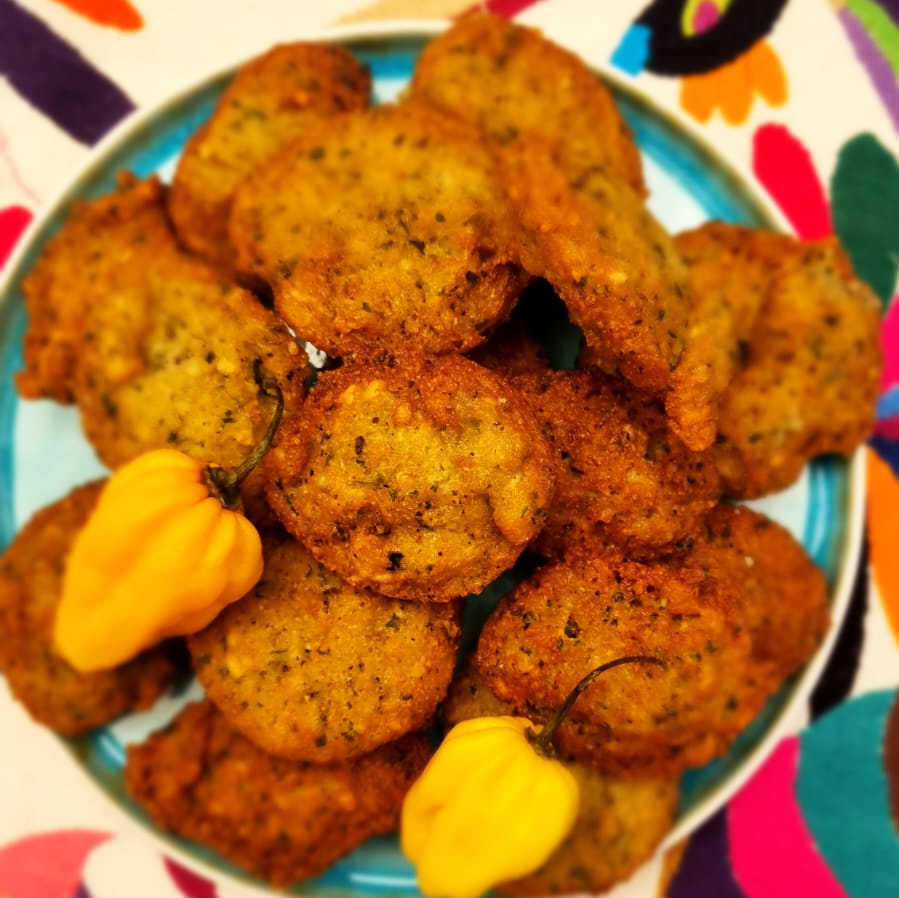
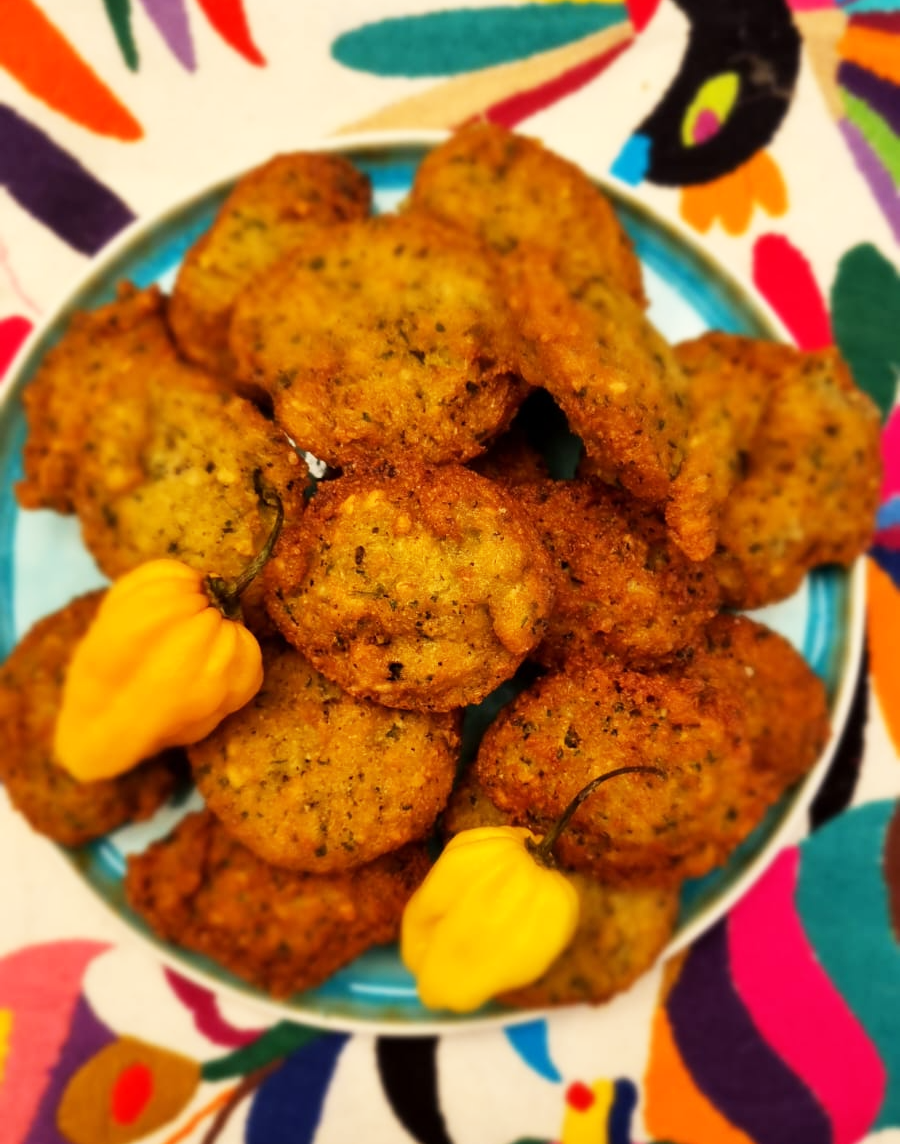
Akara are fried beans cakes they are glutenfree, light, spicy and addictively delicious! Akara is commonly eaten as a snack or breakfast food, but it has many variations, as with much of West African food, it has travelled well. In New Orleans, these fritters are known as calas, in Brazil as acaraje and Barbados as pumpkin accra.
Ingredients:
- 190 gr black eyed beans
- 1 yellow habanero pepper
- 1/2 red onion
- bunch of parsley
- zest of 1 lime
- salt
- oil for frying
Recipe:
- In a medium bowl, cover peas until the are just covered with 2 cm water.
- Allow the peas to soak at room temperature for 15 minutes and up to 1 hour. This quick soak will help those pea skins loosen up without turning them into mush.
- Drain soaked peas, then transfer to a countertop blender or food processor along with 945ml water. Pulse to slightly break up peas, about ten 1-second pulses.
- Pour into a medium bowl and let stand at room temperature for up to 30 minutes (skins will float to top as they separate from the peas).
- Place a colander over a large bowl. Slowly pour the soaking water into the colander, using your other hand to ensure the peas remain in the soaking bowl. The aim is to remove as many of the floating skins as possible while keeping the peas in the original bowl.
- Check for any peas that might have strayed into the colander, retrieve them, and put them back in the bowl. Dispose of the skins and the soaking water.
- Move the peeled peas to a fresh colander. Give them a good rinse under cold running water. Bring them back to the medium bowl. Cover them with fresh water and allow them to sit at room temperature for 10 minutes. This will help the peas soften further in preparation for blending.
- Let the peas drain, and then move them into a countertop blender or food processor.
- Add half a cup (120ml) of water, the onion, habanero pepper, limezest, parsley and salt.
- Start blending and, from time to time, use a flexible spatula to scrape down the sides. Continue until you’ve got a smooth, thick paste, which should take around 3 minutes.
- Transfer the paste into a medium bowl or electric mixer and whisk it until it turns light and fluffy, about 3 minutes.
- Heat your frying oil to 175C and start frying spoons full of batter.
- Enjoy! Traditionaly they are eaten plain, but eating them with a nice dip is the best! I still had some coconut dip lying around and it was delicious!
 Little Lost Cook
Leave a comment