

New Zealand, the other side of the world for me, but a place that I find really intriguing, and I am not the only Dutch person apparently. The first European on New Zealand soil was Abel Tasman a Dutch explorer in 1642.
In December 1642, Abel Tasman and his crew were sailing their ships, the “Heemskerck” and the “Zeehaen,” when they suddenly spotted land on the western coast of New Zealand’s South Island. Things got a bit awkward because they didn’t actually set foot on the land. Instead, they bumped into the local Maori in their waka (canoes). And let’s just say, it wasn’t a friendly chat over coffee – there was some tension, and both sides ended up with some casualties.
Tasman and his crew continued their journey elsewhere, and it took a 100 years before James Cook showed up to explore New Zealand more thoroughly. Cook had better luck, and his adventures in the region gave us a much better understanding of New Zealand’s coasts, culture. Maybe this is why the Kiwi’s still have such a rich Maori culture because they were invaded later then many of the other colonies.
Things you didn’t know about New Zealand:
- The Longest Place Name: New Zealand is home to one of the longest place names in the world: “Taumatawhakatangihangakoauauotamateaturipukakapiki-maungahoronukupokaiwhenuakitnatahu,” a hill in Hawke’s Bay.
- No Snakes: New Zealand is one of the few countries in the world that has no native snake species. This is due to its isolation from the rest of the world for millions of years.
- New Zealand has a longstanding anti-nuclear policy. It prohibits nuclear-powered or nuclear-armed vessels from entering its waters, a policy that gained prominence in the 1980s.
- The World’s Steepest Street: Baldwin Street in Dunedin is often touted as the world’s steepest residential street. It’s so steep that the houses on the street are built at odd angles, and there’s an annual “Baldwin Street Gutbuster” race where participants run up and down the street.
- Whanganui River Has Legal Personhood: In 2017, the Whanganui River was granted legal personhood in New Zealand, meaning it has the same legal rights as a person. This was a significant development for the protection of the river’s cultural and environmental values.Whanganui River Has Legal Personhood: In 2017, the Whanganui River was granted legal personhood in New Zealand, meaning it has the same legal rights as a person. This was a significant development for the protection of the river’s cultural and environmental values.
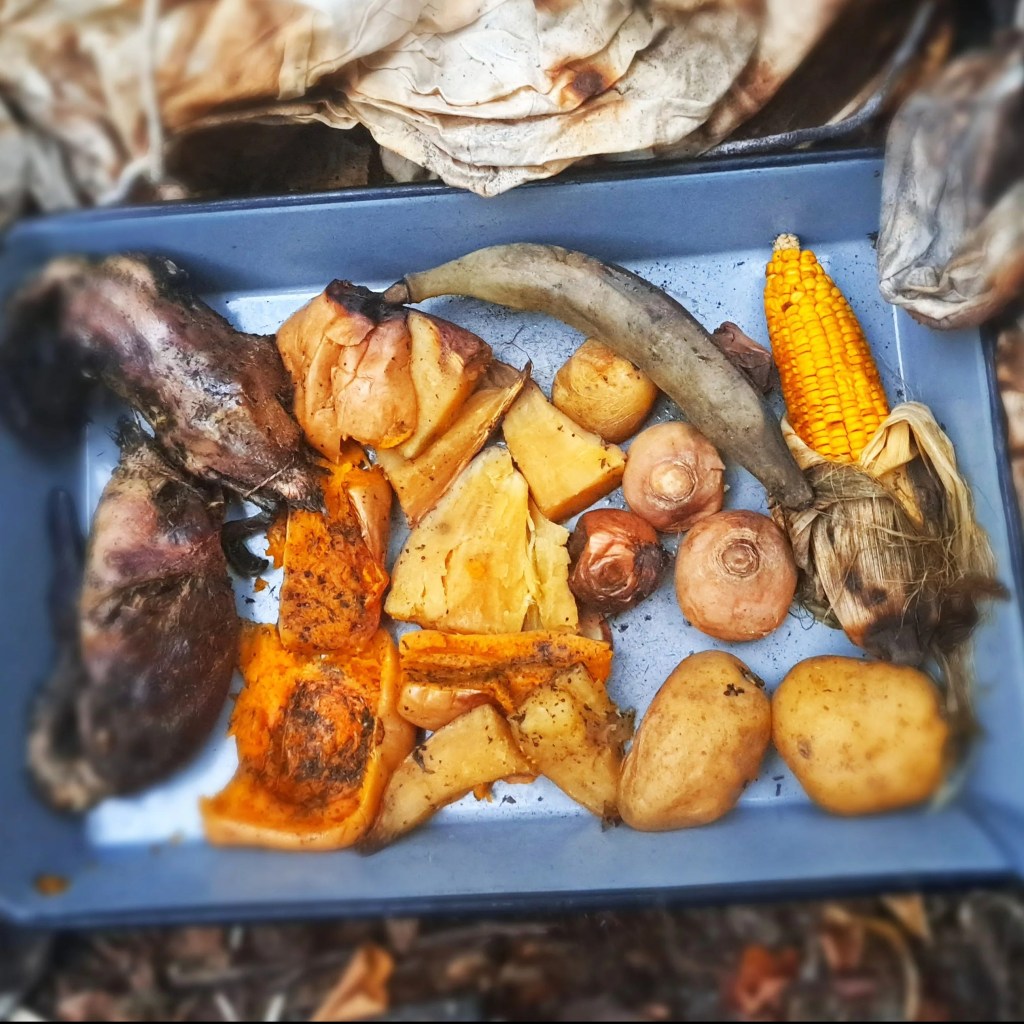
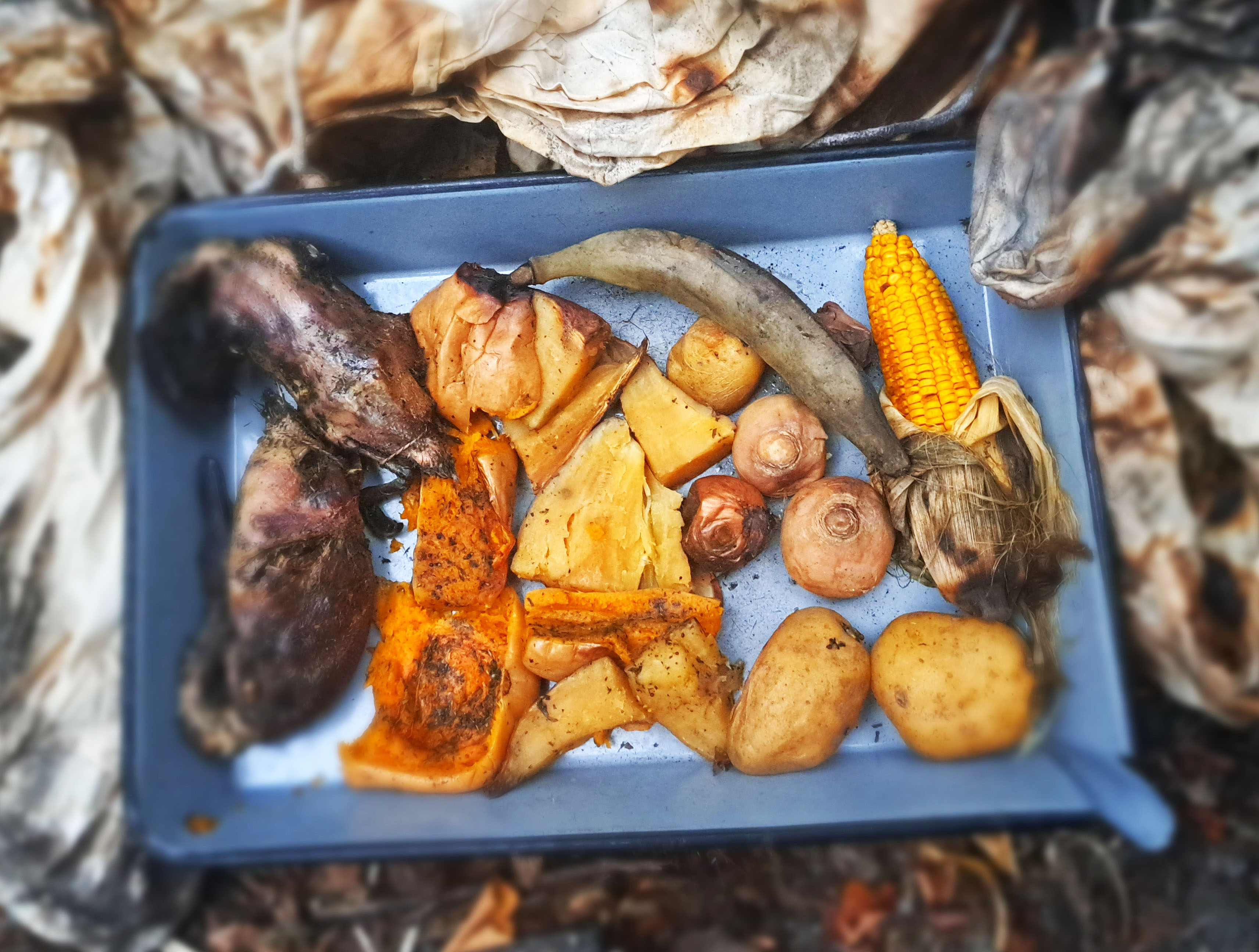
A New Zealand Hangi is a traditional Māori method of cooking food using heated rocks buried in an underground pit oven. It is both a cooking technique and a social event. My boyfriend and I had a great day making a Hangi. My boyfriend is a BBQ/foraging expert, so he has experience cooking in a pit in the ground, and he helped me out a little. He also happened to work for a restaurant that specializes in game meat. His boss is a hunter and had 2 wild ducks left over. We did have to pluck them ourselves, which was so much fun! (But please, if you ever do this, do it outside.) Duck is not the traditional meat for a Hangi, by the way; normally, they use lamb, pork, or chicken.
Ingredients:
Ducks
2 ducks
Spicerub
- 3 tbsp provincial herbs
- 1 tbsp smoked paprika
- 1 tbsp cumin
- 1 tbsp black mustard seed
- 2 tbsp smoked sea salt
- 1 tbsp brown caster sugar
- 1 tsp garlicpowder
- 1 tsp korianderpowder
- 1/2 tsp cayenne pepper
Herbbutter
- Waterpepper leafs
- Butter
- Salt
- Garlic
- Lemon pepper powder
Veggies
- Butternut squash
- Turnips
- Potatoes
- Corn on the cob
- Yams
- Plantain
Additional things you need that are not food:
- Bricks of stones
- Charcoal
- Sticks and wood to make campfire
- Linnen bags or bananaleafs
Recipe:
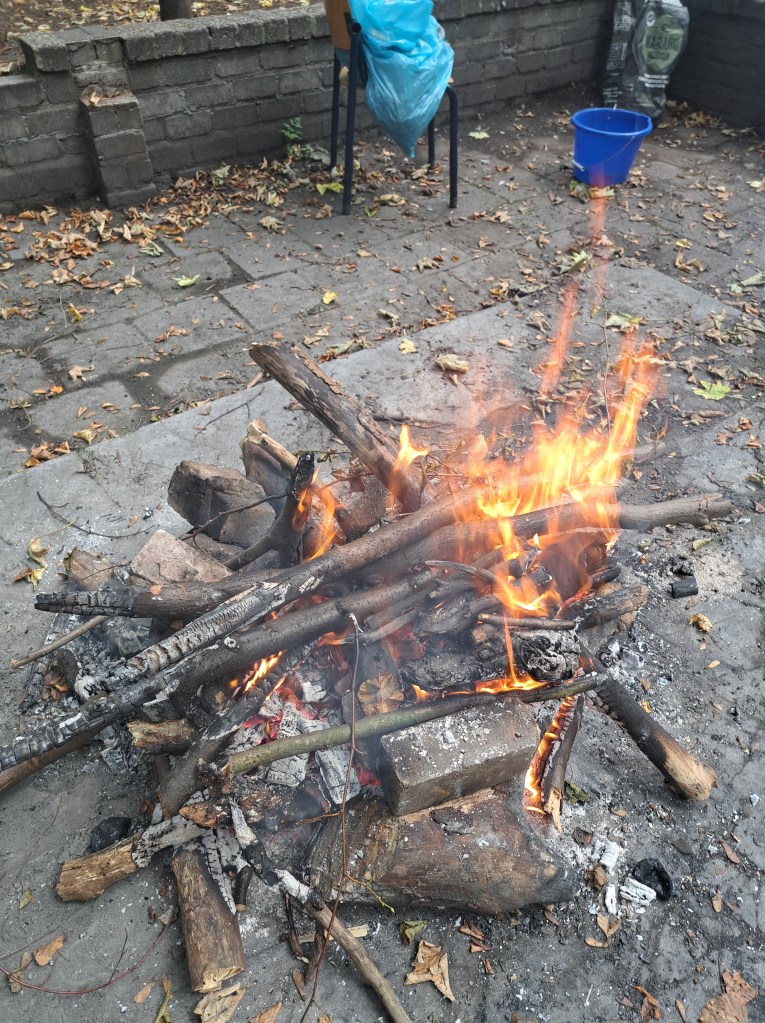
- Start by making a big fire with the bricks and the charcoal in the fire, to heat them up.
- In the meanwhile, mix all the ingredients for the herb butter
- But the herb butter under the duckskin.
- Rub the duckskin with the spicerub.
- Also add some spice rub to your veggies as well.
- Dig a large pit that fits your iron platter of food. It need to be around 0,5 m deep.
- Wrap your food in the linnen bags

8. Throw half of your bricks and coals in the pit.

9. Put your food on the platter.
10. Put the other half of the stones and bricks on top the foodbags.

11. Put the sand back on top of the stones and food. So you seal in the heat and create an underground oven.
12. Let it cook for 2 hours. You can feel the sand getting hot.

13. Carefully undig your pit and take of the bricks.
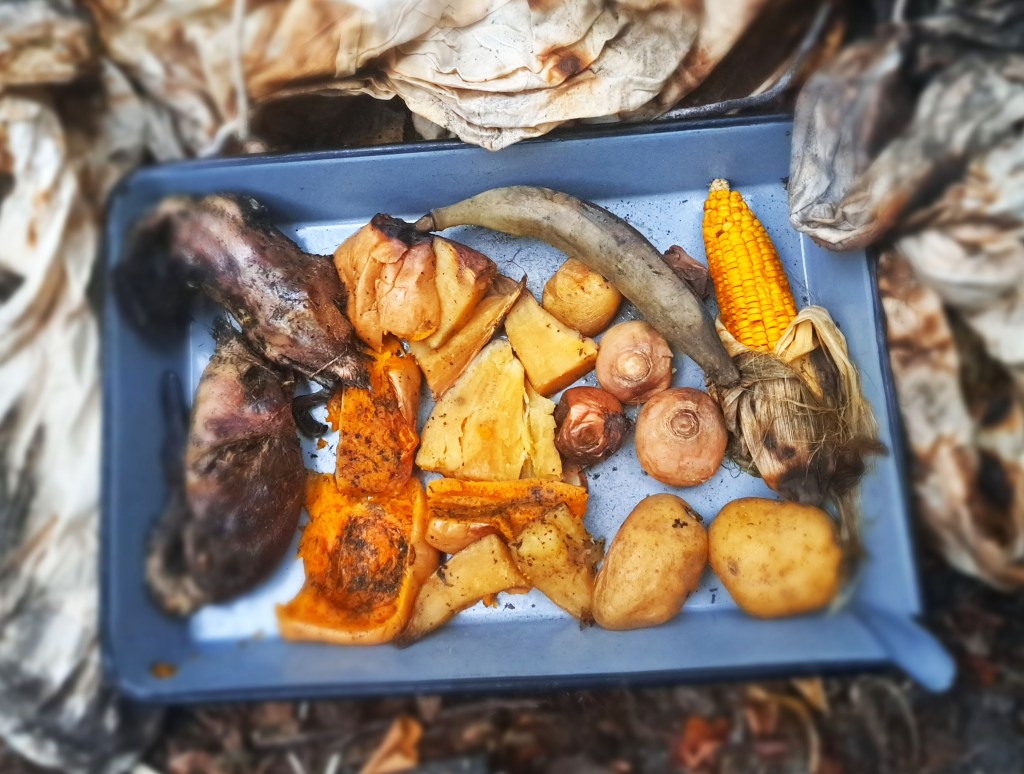
14. Open your bags of food
15. ENJOY your food!!!!
 Little Lost Cook
Leave a comment